
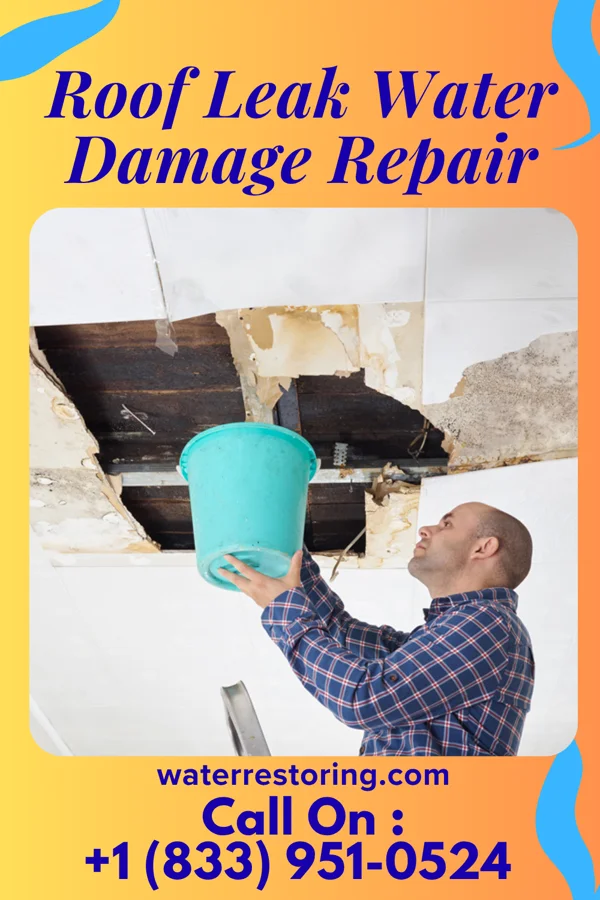
Common Roof Leak Causes in Valley Park
Most roof leak water damage repair calls in Valley Park come from Valley Park experiences frequent thunderstorms and heavy rainfall, especially during the spring and summer months. The area is prone to sudden downpours that can overwhelm roofing systems, leading to leaks and water damage. These weather patterns are exacerbated by the surrounding rural terrain, which can funnel stormwater toward residential properties.. A close second is In the fall, Valley Park sees a shift in weather with cooler temperatures and occasional freezing rain, which can cause ice dams on roofs. Winter storms bring snow accumulation that, when melted, can lead to additional water infiltration. These seasonal changes create unique challenges for roof integrity.. If you know what is about to happen, the decisions during the first 48 hours get a lot easier.
The combination of frequent rainfall and fluctuating temperatures in Valley Park increases the risk of roof leaks, water intrusion, and subsequent mold growth. Homes in rural areas are particularly vulnerable due to limited drainage and older roofing materials.
Most roof leak water damage repair calls in Valley Park come from Valley Park experiences frequent thunderstorms and heavy rainfall, especially during the spring and summer months. The area is prone to sudden downpours that can overwhelm roofing systems, leading to leaks and water damage. These weather patterns are exacerbated by the surrounding rural terrain, which can funnel stormwater toward residential properties.. Running a close second is In the fall, Valley Park sees a shift in weather with cooler temperatures and occasional freezing rain, which can cause ice dams on roofs. Winter storms bring snow accumulation that, when melted, can lead to additional water infiltration. These seasonal changes create unique challenges for roof integrity.. Local mold risk: Mold can develop within 48 hours of water intrusion in Valley Park due to the high humidity levels and frequent rainfall. This mold growth can lead to secondary damage, including wood rot, structural weakening, and health concerns for residents.
For public guidance on the health effects of mold after prolonged water exposure, see the EPA mold and health page.